

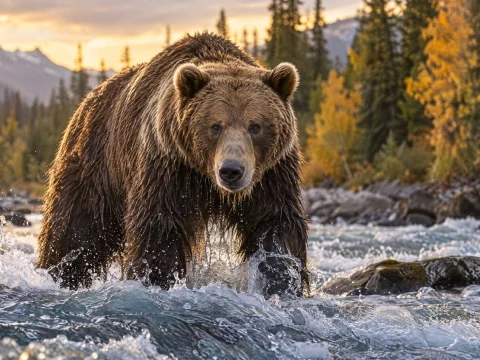
Brown bears have been spotted near at least six villages in the mountains around Greywater in recent weeks, prompting forest rangers to issue fresh safety advice to residents and hikers. Fourteen sightings have been reported since early September, most of them at dawn or dusk, close to orchards, beehives and rubbish bins.
No one has been hurt, and rangers say the bears’ behavior is normal for the season. In autumn, bears eat almost constantly to build up fat before their winter rest, and a poor beechnut crop in the higher forests this year has pushed some of them down toward villages, where apples and plums are easy to find.
The bears are not becoming aggressive. They are hungry, and we are leaving food where they can reach it.
Marko Radić, head ranger of the Greywater forest district
How to avoid an encounter
Rangers say most encounters can be prevented. On trails, hike in groups during daylight and make some noise, talking or clapping now and then, especially near streams and thick undergrowth where a bear may not hear you coming. Keep dogs on a leash. In villages, residents are asked to secure rubbish bins, collect fallen fruit and protect beehives with electric fencing, which the regional authority subsidizes.
If you meet a bear
- Stay calm and do not run. Running can trigger a chase, and bears are far faster than people.
- Speak in a calm, low voice so the bear recognizes you as human, and back away slowly while facing it.
- Give it space and a clear escape route. Never come between a mother and her cubs.
- If you carry bear spray, have it ready and know how to use it.
- If a brown bear charges and makes contact, lie flat on your stomach, protect the back of your neck with your hands and stay still until it leaves.
“Most charges are bluffs. The bear stops and turns away,” Radić said. “The hardest thing is to stand your ground, but it is the right thing.”
What the authorities are doing
The regional authority has put up warning signs at trailheads and is fitting GPS collars to two bears that have been seen repeatedly near houses, so rangers can warn residents when they approach. Sightings can be reported to the ranger hotline, which is staffed around the clock until the end of November.
Bear numbers in the Northern Region have grown slowly over the past two decades, a conservation success that also means more encounters. “Living with bears is possible,” Radić said. “It just means changing a few habits.”







Comments 2
We had one in the plum trees behind our house last week. Beautiful animal, but the kids now play inside at dusk.
Very useful list. I hike near Greywater every weekend and never knew not to turn my back.