
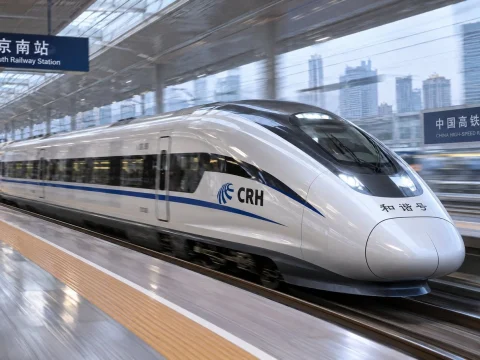
The white train glides into the station almost silently, and within minutes its passengers are walking out into the city center. For a growing number of travelers in Europe, that is the whole argument: no security queues, no airport transfer, and a seat with a table and a view.
But is the train really beating the plane? On some routes, clearly yes. On others, not yet.
Where rail already wins
Transport researchers often cite a rule of thumb: when a train journey takes less than about three to four hours, rail tends to win the larger share of travelers between two cities. Once you add the trip to the airport, check-in and security, a short flight often saves little or no time.
Europe’s growing high-speed network has put many city pairs inside that window. On a number of routes in France, Spain and Italy, trains running at close to 300 kilometers an hour now carry far more passengers than airlines between the same cities.
For trips up to four hours, the train is usually the better product. Above six hours, most people still fly, unless they can sleep on the way.
Johanna Weller, transport economist
The return of the night train
That is where sleeper trains come in. After years of cuts, overnight services have made a comeback across the continent, linking big cities with destinations from the Alps to the coast.
The appeal is simple: board after dinner, wake up in a new city and save the cost of a hotel night. Couchettes and private compartments are in high demand, and popular routes sell out weeks ahead in summer and around holidays.
What still holds rail back
Price is the most common complaint. Low-cost flights still undercut trains on many longer routes, partly because fuel for international flights is lightly taxed or not taxed at all, while rail operators pay fees to use the tracks.
Booking is another headache. A journey that crosses several borders can mean several websites, and if one train is late, a connection on a separate ticket may not be protected.
I love arriving by train, but I spent an hour working out the tickets. That has to become as easy as booking a flight.
Carla Mendes, traveler on her way to Barcelona
The verdict? On busy short and medium routes, the train has already won. On longer journeys the race is still open, and the next few years of investment in tracks, carriages and simpler tickets may decide it.



Comments 0