

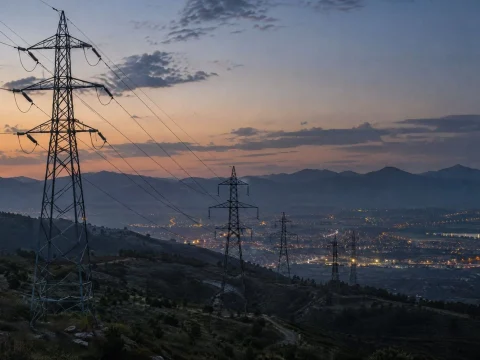
Energy ministers from the country and three of its neighbors have agreed on a joint approach to the electricity market, including shared reserve capacity, common rules for emergency price caps and a new high-voltage line across the Valley Region.
The agreement was signed on Wednesday at the end of a two-day regional summit in Port Alden. Officials described it as the biggest step toward a shared regional power market in more than a decade.
What was agreed
Under the deal, grid operators in the four countries will buy reserve power together rather than separately, so that spare capacity in one country can cover shortfalls in another during cold snaps or heat waves. A small joint office will run the tenders from next year.
The ministers also agreed on common conditions for when governments may cap electricity prices in an emergency. Last winter’s price spike led each country to act on its own, often with rules that clashed at the border.
The most visible part of the deal is a new 400-kilovolt line of about 180 kilometers, running from the substation outside Cedar Falls to the border. It is expected to cost around 620 million euros, shared among the partners, and to be finished within six years.
Electricity does not stop at the border, and neither should our planning. Together we can keep the lights on and bills under control at a lower cost than each of us alone.
Lucia Ferrante, energy minister
Industry welcomes, greens watch
Manufacturers in Northvale, where heavy industry uses around a third of the region’s electricity, welcomed the agreement. They have long complained that sharp price swings make it hard to plan production.
Predictability is worth as much to us as a low price. If this works, it will help keep jobs here.
Viktor Aaltonen, director of the Northvale industrial association
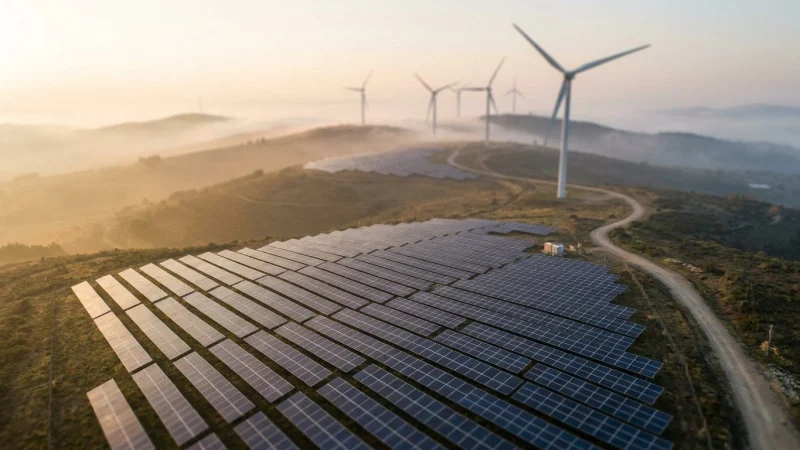
The Green Alliance, the junior partner in government, said it backed the deal but would push for the new line to carry mainly wind and solar power from the Coastal Region. Environmental groups in the Valley Region warned that the route must avoid sensitive wetlands along the river.
What happens next
The agreement still needs approval from all four parliaments; a vote in the National Assembly is expected early next year. Grid operators will publish a draft route for the line in the spring, followed by public consultations in the affected towns.
Analysts say households should not expect lower bills soon. The main benefit, they say, will be fewer extreme price spikes in the winters ahead.






Comments 0