

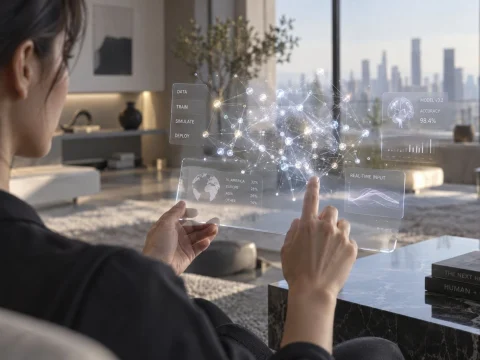
Smart home devices promise a house that runs itself. In reality, many buyers end up with a drawer of gadgets that need constant updates and a phone full of apps. Home technology testers say the trick is to automate the boring, repetitive tasks and ignore the rest.
“The best automation is one you forget you have,” says Kristian Bauer, who tests connected devices for a consumer association in Riverton. “If you have to open an app to make it work, it is probably not saving you any time.”
Five automations worth having
- Heating schedules. A smart thermostat that lowers the temperature when nobody is home, and warms the house before you return, is the most reliable way to cut energy bills. Testers measured savings of 8 to 12 percent in an average apartment.
- Leak sensors. Small battery sensors under the washing machine and sink send an alert at the first drop of water. One avoided flood pays for dozens of them.
- Lights on a timer. Lights that switch on at dusk and off at bedtime make a home look occupied while you travel and save fumbling for switches in the dark.
- Smoke and carbon monoxide alarms that alert your phone. If an alarm goes off while you are out, you will know immediately.
- Smart plugs for standby devices. Cutting power to the TV, console and speakers at night removes standby consumption without anyone having to think about it.
Three that are mostly gimmicks
- Fridges with screens. A camera to see inside your fridge from the supermarket sounds clever, but most testers found they rarely used it.
- App-controlled kettles and toasters. You still have to fill the kettle and load the toaster yourself, so the time saved is close to zero.
- Voice control for everything. Speaking to the curtains is fun for a week. After that, most people go back to the switch.
Keep it secure
Every connected device is a potential way into your home network. Bauer advises changing default passwords, installing updates and buying from makers that promise security support for several years.
A cheap camera that never gets updates is a risk, not a bargain.
Kristian Bauer, home technology tester








Comments 0