

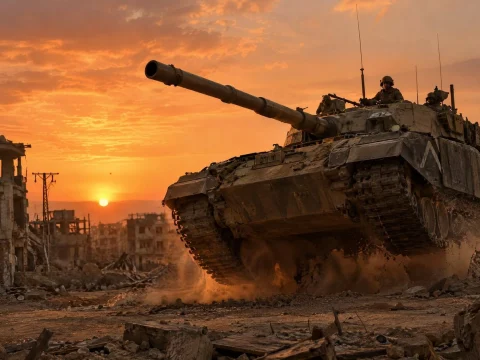
The town in the photograph was once a market center of some 20,000 people. Today its streets are lined with collapsed roofs, and armored vehicles move through what used to be the main square. It lies close to the front line of a war between two neighboring states east of the country that has now lasted more than six years, and it is one reason why the latest ceasefire talks matter so much, and why they keep failing.
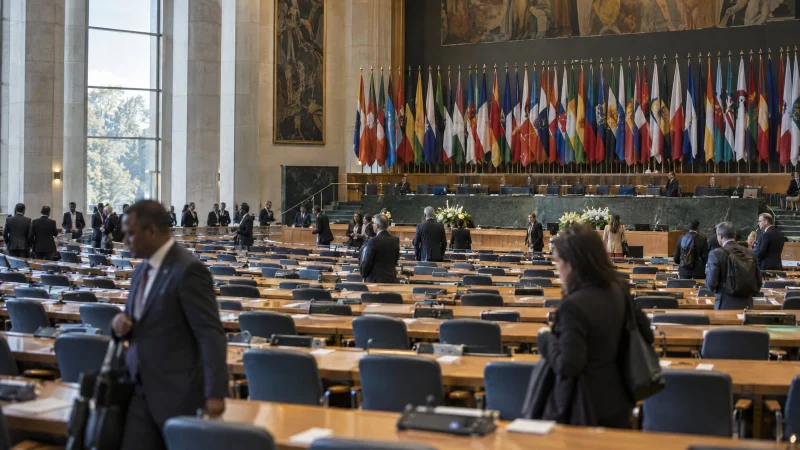
Three rounds of negotiations, hosted at an international summit venue on neutral ground, have broken down this year alone. Each time, mediators said they were “close”. Each time, the talks ended without a signed document.
Lines on a map
The first obstacle is territory. Both sides insist that a ceasefire line must reflect their own claims, and neither accepts the current front as a basis for talks. Freezing the fighting where it stands would, in the eyes of each government, reward the other side’s recent advances.
A ceasefire is not peace, but both sides behave as if signing it means surrendering forever.
Dr. Elias Marchetti, conflict researcher at Elmbridge University
Who guarantees the deal?
The second problem is trust. Earlier truces in the conflict collapsed within weeks, partly because nobody was in a position to monitor them. Negotiators have discussed an international observer mission, but the parties disagree on who would send it, how many monitors it would need and what powers they would have.



Comments 0