

Every child feels worried sometimes, before a test, a first day at school or a visit to the dentist. But when fears become frequent, intense and start getting in the way of everyday life, they may be a sign of an anxiety problem, and child psychologists say it is more common than many parents think.
Anxiety is one of the most frequent reasons families seek help at children’s mental health services in Riverton, according to the city’s youth health department, and waiting lists have grown over the past two years.
Signs that are easy to miss
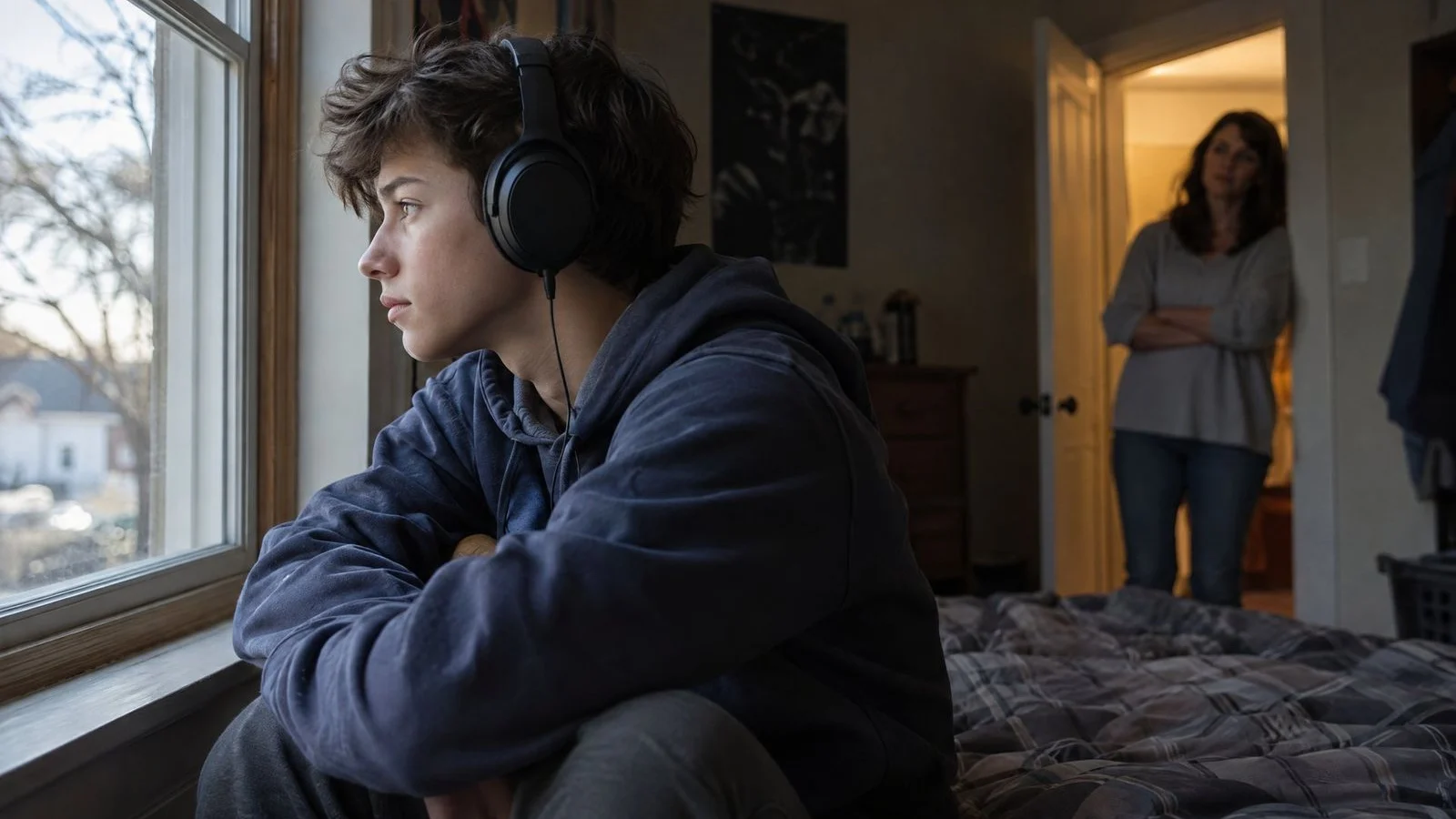
Anxious children do not always say they are scared. Instead, worry often shows up in the body or in behavior:
- Stomach aches, headaches or nausea, especially on school mornings.
- Difficulty falling asleep, nightmares or wanting to sleep in the parents’ bed.
- Asking the same worried questions again and again and needing constant reassurance.
- Avoiding situations such as birthday parties, sports or speaking in class.
- Irritability, tears or tantrums when facing something new.
- Being very hard on themselves about small mistakes.
Parents often tell me their child is just being difficult in the mornings. When we look closer, the child is terrified of something at school.
Dr. Klara Stojan, child psychologist in Riverton
How parents can help
Psychologists advise parents to take worries seriously without making them bigger. Listening calmly, naming the feeling and helping the child take small steps toward what scares them works better than either forcing them or letting them avoid it completely.
The goal is not to remove every fear. It is to show children they can cope with it.
Dr. Klara Stojan, child psychologist
Regular routines, enough sleep, time outdoors and limits on frightening news or videos can also help. Parents who are anxious themselves may want to notice how their own reactions shape their child’s.
When to seek help
Experts recommend speaking to a pediatrician, school psychologist or family doctor if worries last for several weeks, affect school attendance, friendships or sleep, or if a child has panic attacks or talks about wanting to disappear.
Early support, often a short course of talking therapy for the child and guidance for parents, is very effective, specialists say. Families can ask their family doctor for a referral or contact the school counseling service.








Comments 2
The stomach aches on school mornings were exactly how it started with our son. Talking to the school psychologist really helped.
Useful list. I would never have connected tantrums with anxiety.