

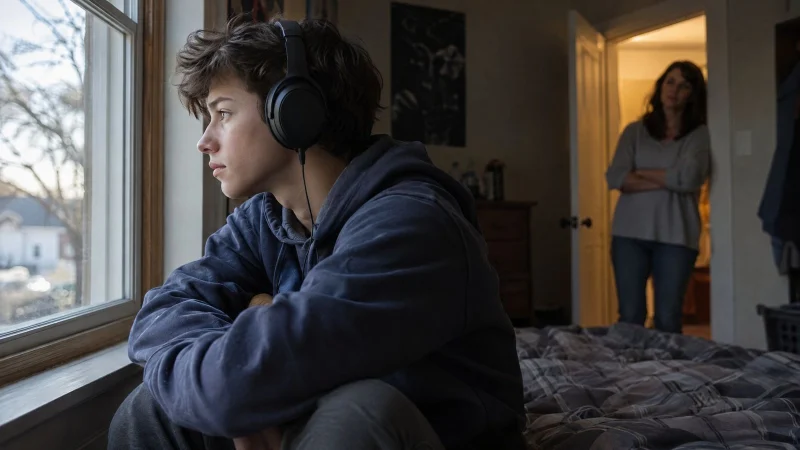
Parents who rely on strict control, shouting and punishment, with little warmth or explanation, may be leaving effects that last well into their children’s adult lives, psychologists warn.
A long-term study by researchers at Elmbridge University, which followed more than 1,200 families from the time the children were 10 until their mid-twenties, found that young adults raised this way were more likely to report anxiety, low self-esteem and difficulty trusting others.
Control without warmth
Psychologists often describe four broad parenting styles. The one the study links to the most problems combines high demands with low warmth: rules are strict, but rarely explained, and children’s feelings are seldom taken into account.
Children need structure, but they also need to understand it and to feel loved while they follow it. When rules come only with fear, children learn to obey, not to think.
Dr. Mira Delacroix, developmental psychologist and lead author of the study
Teenagers raised this way were also more likely to hide things from their parents, the researchers found, which made it harder for families to deal with problems early.
The study shows an association, not proof of cause, and many children from strict homes grow up perfectly well. But the pattern held even after the researchers took income, education and family size into account.
The answer is not to be permissive
The researchers stress that the alternative is not letting children do whatever they want. The best outcomes were seen in families that were both warm and firm, combining clear rules and expectations with listening, explanation and affection.
You can say no and still say: I understand why you’re upset, let’s talk about it. That combination is what builds resilience.
Dr. Mira Delacroix, developmental psychologist
What parents can do
Psychologists suggest a few practical steps:
- Explain the reasons behind rules, especially as children get older.
- Talk regularly, not only when something has gone wrong. Meals and car journeys are good moments.
- Aim consequences at the behavior, never at the child’s worth.
- Apologize when you overreact. It shows children how to repair a relationship.
Parents who recognize themselves in the warning should not panic, experts say: relationships can change at any age. If tension at home feels overwhelming, a family counselor, school psychologist or doctor can help.







Comments 2
I grew up in exactly that kind of house. It took me years to understand why asking for help felt so hard.
Glad they say the answer isn’t being permissive. Firm and kind is hard work, but it pays off.