
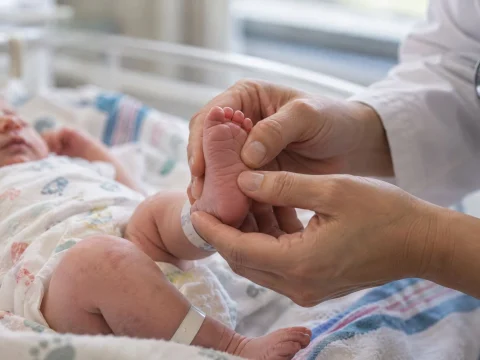
In the first days of life, almost every newborn in the country has a tiny drop of blood taken from the heel. Few parents think much about it, but the test looks for several rare conditions, including phenylketonuria, or PKU, which can seriously harm a baby’s developing brain if it is not found in time.
The good news, pediatricians stress, is that children diagnosed early and treated consistently can grow up healthy and go to school, work and live like their peers.
What PKU is
PKU is an inherited condition. Babies with PKU are born without enough of an enzyme that the body needs to break down phenylalanine, an amino acid found in protein. Phenylalanine is present in foods such as meat, fish, eggs, dairy, nuts and pulses, as well as in the sweetener aspartame.
When it cannot be broken down, phenylalanine builds up in the blood. Over time, high levels can damage the brain and lead to learning difficulties and other problems.
At birth, these babies look completely healthy. That is exactly why screening matters: by the time symptoms appear, some damage may already be done.
Dr. Hana Lindström, pediatrician at the Riverton children’s hospital
Diet is the key
The one thing that must be controlled is the amount of phenylalanine a child eats. Treatment usually means a carefully planned diet low in natural protein, combined with a special protein formula that provides everything else a growing child needs. Breast milk can often still be given in measured amounts, under the guidance of a specialist team.
Regular blood tests help doctors adjust the diet as the child grows. Specialists recommend that the diet continues for life.
What parents should know
Lindström has simple advice for new parents:
- make sure the heel-prick test is done in the first days after birth, as recommended by your maternity team
- if you are called back for a repeat test, go promptly; most repeat tests turn out to be normal
- if PKU is confirmed, you will be referred to a specialist team and a dietitian
“Parents are often frightened by the diagnosis,” she said. “But with early treatment, the outlook today is very good. The most important thing is not to delay.”
Families with questions should speak to their pediatrician or maternity team.









Comments 0