

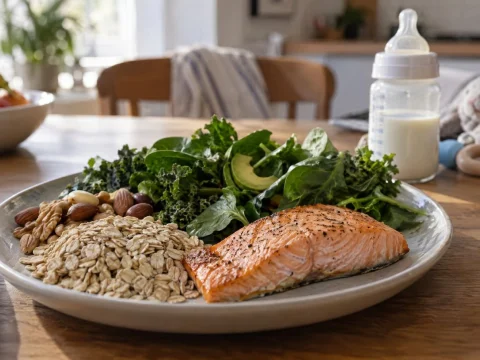
New mothers hear a lot of advice about what they should and should not eat while breastfeeding. The good news, according to midwives and dietitians, is that there is no need for a strict diet. A varied, balanced menu is enough for most women, with a few extra points worth keeping in mind.
Breastfeeding uses a lot of energy, so many mothers feel hungrier than usual. Most need a few hundred extra calories a day, ideally from nutritious foods rather than snacks.
The foods worth adding
- Oily fish such as salmon or sardines, once or twice a week. They provide omega-3 fats that support the baby’s brain and eye development. Choose fish that are low in mercury.
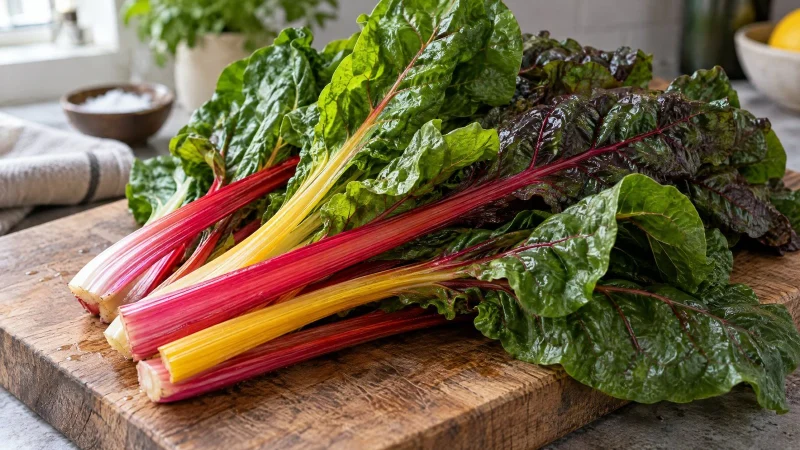
- Leafy greens such as spinach, kale and chard, for folate, iron and calcium.
- Oats and other whole grains, which give lasting energy and fiber.
- Nuts and seeds, a convenient snack rich in healthy fats, protein and minerals.
- Eggs, milk, yogurt and cheese, or calcium-enriched alternatives.
- Beans, lentils and chickpeas, for protein and iron.
You don’t have to eat perfectly to make good milk. Your body is very good at prioritizing the baby. The plate is mostly about keeping you well and energetic.
Katarina Moll, midwife and lactation consultant in Elmbridge
Drink, and watch a few nutrients
Thirst often increases while breastfeeding. A simple habit is to keep a glass of water nearby during every feed.
Some nutrients need more attention. Vitamin D is often recommended as a supplement, especially in autumn and winter. Iodine, found in dairy, fish and iodized salt, matters for the baby’s development. Mothers who eat a vegan diet usually need a vitamin B12 supplement. A doctor or pharmacist can advise on what is right for you.
Coffee, alcohol and “forbidden” foods
Moderate amounts of coffee are generally considered fine, though some babies seem sensitive to caffeine. Alcohol passes into breast milk, so health professionals advise avoiding it or, at least, waiting several hours after a single drink before feeding.
Many foods that mothers avoid out of habit, such as spicy dishes, onions or cabbage, are usually not a problem. “If you notice your baby reacts every time after a certain food, talk to your doctor or midwife rather than cutting out whole food groups,” said Paula Werner, a dietitian in Riverton.
This article offers general guidance. If you have questions about your diet, supplements or your baby’s health, speak to your doctor, midwife or a registered dietitian.





Comments 0